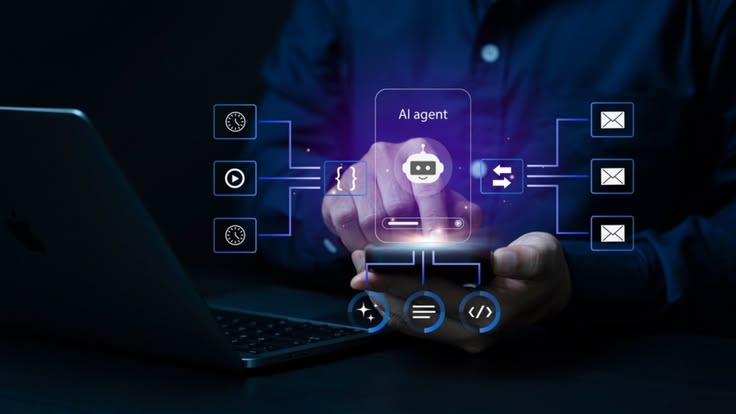
AI chatbots offer immense potential for modern businesses. They promise enhanced efficiency, improved customer satisfaction, and significant cost savings. However, many companies stumble during implementation, turning a promising investment into a source of frustration.
Understanding these missteps is the first step toward building a successful AI-powered customer service strategy. This guide will outline the biggest mistakes and provide clear pathways to avoid them, ensuring your AI solution truly delivers.
Mistake #1: Setting Unrealistic Expectations
Many businesses expect an AI chatbot to be a magic bullet, instantly solving all customer service challenges. This often leads to disappointment when the initial deployment doesn't meet these lofty, unachievable goals.
It's crucial to remember that even the most advanced AI needs careful planning and iterative refinement. Expecting a fully autonomous, perfect system from day one is a recipe for failure.
How to Avoid It: Define Clear, Attainable Goals
- Start Small: Begin by automating specific, high-volume, low-complexity tasks like answering FAQs or collecting basic information.
- Measure Progress: Track key metrics such as resolution time, customer satisfaction scores (CSAT), and agent deflection rates. Use this data to inform continuous improvements.
- Iterate and Expand: Once initial goals are met, gradually expand the chatbot's capabilities. This phased approach ensures a more robust and effective deployment over time.
Mistake #2: Neglecting Human Handoffs
A common error is designing an AI chatbot that cannot gracefully transfer complex queries to a human agent. This creates frustrating dead ends for customers, eroding trust and leading to negative experiences.
Customers want efficient self-service, but they also need the assurance that a human can intervene when necessary. Failing to provide this seamless transition is a major pitfall.
How to Avoid It: Prioritize Seamless Escalation Paths
- Design for Handoffs: Integrate clear pathways for customers to connect with a live agent when the AI reaches its limits. This should be a core part of your chatbot's design.
- Provide Context: Ensure that when a handoff occurs, the human agent receives all prior conversation history. This avoids frustrating repetitions for the customer.
- Empower Agents: Train your human team to handle escalated cases efficiently and empathetically. The AI should augment their capabilities, not replace their critical role. Beyond chatbots, AI-infused support transforms business customer service by empowering agents to focus on complex interactions.
Mistake #3: Poor Data Training & Personalization
An AI chatbot is only as good as the data it's trained on. Businesses often rush deployment with insufficient or irrelevant training data, leading to generic, unhelpful, or even incorrect responses.
Lack of personalization also makes interactions feel robotic and impersonal. Customers expect relevant, tailored assistance, not one-size-fits-all replies.
How to Avoid It: Invest in Quality Data & Personalization
- Curate Training Data: Use real customer conversations, FAQs, and product documentation to train your AI. Regularly update and refine this data set.
- Leverage Customer Data: Integrate your chatbot with CRM systems to access customer history and preferences. This enables truly personalized interactions.
- Continuously Learn: Implement feedback loops to identify areas where the chatbot struggles. Use these insights to retrain and improve its responses. How instant AI responses improve customer experience and build trust is directly tied to the quality of its training.
Mistake #4: Overlooking Scalability & Integration
Some businesses implement standalone chatbot solutions that struggle to scale with growth or integrate with existing systems. This creates data silos and limits the chatbot's overall effectiveness.
A disconnected AI solution cannot fully leverage your existing tech stack. This leads to inefficiencies and missed opportunities for a truly unified customer experience.
How to Avoid It: Choose an Integrated, Scalable Platform
- API-First Approach: Select an AI chat software that offers robust APIs for seamless integration with your CRM, ERP, and other business tools.
- Cloud-Native Solutions: Opt for platforms designed for scalability, capable of handling fluctuating customer volumes without performance degradation.
- Future-Proofing: Consider platforms that are continuously updated with the latest AI advancements. This ensures your investment remains valuable long-term.
Mistake #5: Sticking with Legacy Solutions
Many businesses cling to outdated chatbot technologies, like basic rule-based systems, that lack the intelligence and flexibility of modern AI. These legacy platforms often create more frustration than they solve.
They are typically unable to understand natural language nuances, learn from interactions, or offer the dynamic support customers expect today. This puts your business at a significant disadvantage.
"Modern AI-infused chat software moves beyond simple scripts, offering nuanced understanding and proactive assistance that legacy systems simply cannot match."
How to Avoid It: Embrace AI-Infused Chat Software
- Upgrade to Intelligence: Transition to AI-infused chat software that utilizes Natural Language Processing (NLP) and machine learning. This enables more human-like, intuitive conversations.
- Seek Hybrid Models: Look for solutions like Hybrid Reply that seamlessly blend AI automation with human agent capabilities. This offers the best of both worlds.
- Prioritize Continuous Improvement: Choose a platform that learns from every interaction, constantly improving its accuracy and effectiveness. This is key to a truly intelligent customer service strategy. Revolutionize your customer service with the power of AI chat support software for business.
Conclusion: Master Your AI Chatbot Strategy
Avoiding these common AI chatbot implementation errors is crucial for unlocking the full potential of your investment. By setting realistic expectations, prioritizing human handoffs, investing in quality data, choosing scalable solutions, and embracing modern AI, your business can truly thrive.
Hybrid Reply offers an intelligent, AI-infused chat software designed to help businesses automate customer service and sales effectively. Move beyond the limitations of legacy platforms and empower your team with a solution that truly transforms the customer experience.
Want to upgrade your customer service?
Start your free trial of Hybrid Reply today.
Get Started Free